
Maintaining the integrity of your roof and vents is crucial for the overall health and safety of your home. Regular inspections can help you identify potential problems before they become costly repairs, ensuring that your home remains protected from the elements. But how often should you have your roof and vents inspected? Let’s explore the ideal frequency for these inspections and why they are essential.
The Importance of Regular Roof and Vent Inspections
Your roof is your home’s first line of defense against weather elements such as rain, snow, wind, and sun. Similarly, your vents play a critical role in regulating indoor air quality and preventing moisture buildup. Regular inspections help:
- Identify Damage Early: Catching small issues early can prevent them from escalating into significant, more expensive problems.
- Extend Roof Lifespan: Routine maintenance can extend the life of your roof by addressing wear and tear promptly.
- Ensure Energy Efficiency: Properly functioning vents help maintain your home’s energy efficiency by regulating temperature and moisture.
- Prevent Health Hazards: Ensuring that vents are clear and functioning properly helps avoid mold growth and poor air quality.
Your roof is your home’s first line of defense—let us make sure it’s built to stand the test of time.
How Often Should You Inspect Your Roof?
The frequency of roof inspections can depend on various factors, including the age of your roof, the type of roofing material, and the climate in your area. However, a general guideline is as follows:
- Biannual Inspections: It’s recommended to have your roof inspected twice a year, in the spring and fall. These seasons are ideal because they follow the harshest weather conditions (winter snow and summer heat), allowing you to address any damage before the next season.
- After Severe Weather: Inspect your roof after any significant weather event such as heavy storms, high winds, or hail. Severe weather can cause immediate damage that needs prompt attention.
- For Older Roofs: If your roof is over 10 years old, it’s wise to increase the frequency of inspections. Older roofs are more prone to damage and may require more frequent maintenance.
- Before Buying or Selling a Home: Always have the roof inspected before purchasing a home or putting your home on the market. This ensures there are no hidden issues that could affect the sale.
How Often Should You Inspect Your Vents?
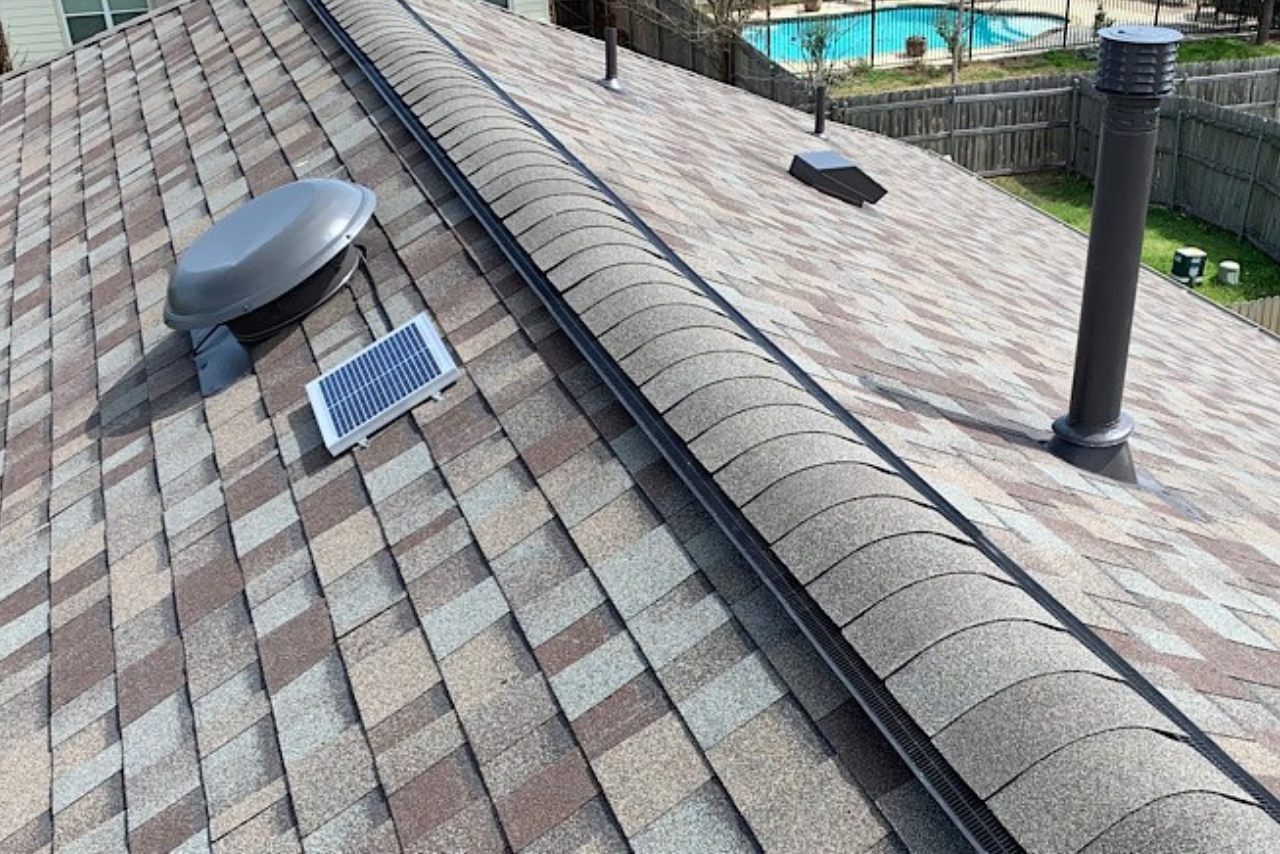
Vents, including attic vents, bathroom vents, and dryer vents, should also be inspected regularly to ensure they are functioning correctly and efficiently.
- Annual Inspections: At a minimum, vents should be inspected once a year. This helps to clear out any debris or blockages that could impede their function.
- Every Six Months for Dryer Vents: Dryer vents should be inspected and cleaned every six months. Lint buildup can be a fire hazard and reduce the efficiency of your dryer.
- Seasonal Check for Attic Vents: Inspect attic vents at the start of each season to ensure proper ventilation and prevent moisture buildup, which can lead to mold and structural damage.
What to Look for During Inspections
Whether you are inspecting your roof or vents, knowing what to look for can help you identify potential problems:
-
Roof Inspections:
- Shingle Damage: Look for missing, cracked, or curling shingles.
- Leaks and Water Damage: Check for signs of water stains on the ceiling or walls inside your home.
- Debris Buildup: Remove leaves, branches, and other debris from the roof and gutters.
- Flashing Issues: Ensure that the flashing around chimneys, vents, and skylights is secure and free of rust or damage.
-
Vent Inspections:
- Blockages: Check for any debris, nests, or other obstructions in vents.
- Mold and Mildew: Look for signs of mold or mildew, which indicate moisture problems.
- Airflow: Ensure that there is adequate airflow through the vents.
- Duct Integrity: Inspect ductwork for any signs of wear, tear, or disconnections.
When to Seek Professional Help
While some inspections can be performed by homeowners, certain situations require the expertise of a professional:
- Extensive Damage: If you find significant damage during your inspection, it’s best to call a professional roofer or HVAC technician.
- Safety Concerns: Roof inspections can be dangerous. If you are uncomfortable or unsure about climbing onto your roof, hire a professional.
- Persistent Issues: If you notice recurring problems despite regular inspections and maintenance, professional assessment is necessary to identify underlying causes.
Conclusion
Regular inspections of your roof and vents are essential for maintaining the structural integrity and efficiency of your home. By following the recommended inspection schedules and knowing what to look for, you can prevent minor issues from becoming major repairs. Remember, when in doubt, it’s always best to seek professional help to ensure your home remains safe, healthy, and protected from the elements. Regular care and maintenance will not only extend the life of your roof and vents but also provide peace of mind for you and your family.


0 Comments